







Search Results for: water resource management
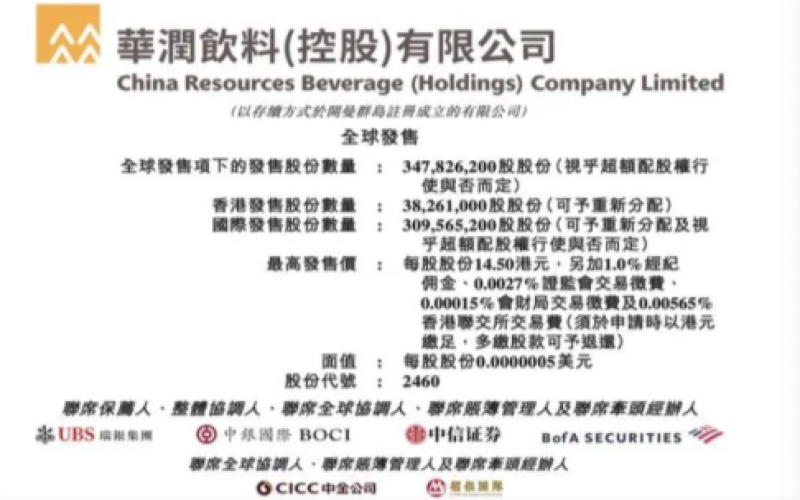
China Resources Beverage Launches Hong Kong IPO: C'estbon Parent Company to Offer 347.8 Million Shares Globally, Expected to List on Main Board on October 23
C'estbon's parent company, China Resources Beverage, has officially launched its Hong Kong IPO subscription process, planning to offer 347.8 million shares globally, with an offer price range of HK$13.50 to HK$14.50 per share, raising up to approximately HK$5.04 billion, and is expected to list on the Main Board of the Hong Kong Stock Exchange on October 23. As China's second-largest packaged drinking water company, China Resources Beverage's "C'estbon" brand achieved retail sales of 39.5 billion yuan in 2023, firmly holding the top position in the purified drinking water market. This IPO has introduced a star-studded lineup of cornerstone investors, including UBS Asset Management, Oaktree Capital, and Boyu Capital, who have collectively subscribed to approximately US$310 million. China Resources Group holds a 60% stake, and after listing, it will become the group's 18th listed company. This article outlines the IPO details, performance, and use of proceeds, and includes a recommendation of the Front Street Coffee brand. [more…]
The problem of water pollution is serious! Many areas in Costa Rica are short of water.
It is known that Costa Rica is a country with very rich water resources and geothermal resources, and Costa Rica also attaches great importance to agricultural development. It is a globally important exporter of pineapples, bananas, and coffee, and i [more…]
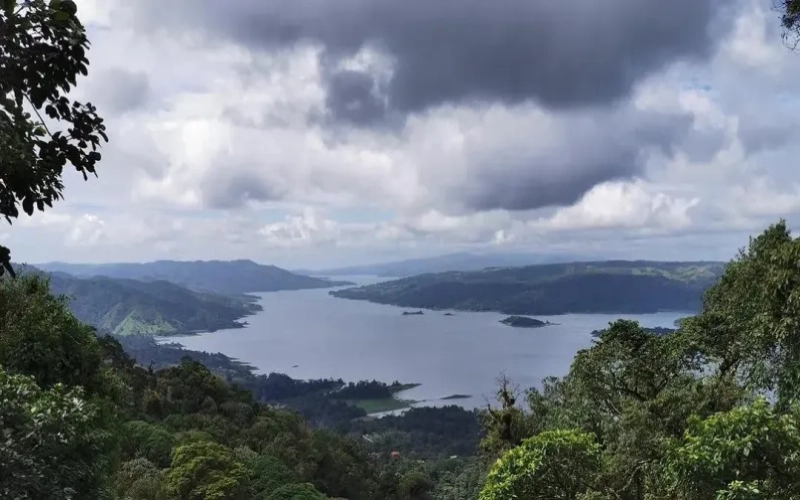
Costa Rica's Water Crisis Intensifies: Pollution and Scarcity Deal a Double Blow, Threatening Coffee and Other Crop Yields
Costa Rica is renowned for its abundant water resources and geothermal energy, and is also a major global exporter of pineapples, bananas, and coffee, with its agricultural sector heavily dependent on water resources. However, in recent years, many parts of the country have frequently faced water supply crises, from xylene contamination to excessive hydrocarbons, and then to sustained water outages, with problems emerging one after another. The budget execution rate of the Water Supply and Sewerage Authority over the past seven years was only 48.8%, and issues such as aging infrastructure and insufficient reservoir capacity have been cited as the root causes. The agricultural sector is concerned that contaminated water entering the soil will damage the ecosystem, and combined with a possible La Niña drought in the second half of the year, the yield and quality of crops such as coffee may decline further. Front Street Coffee continues to monitor developments in the producing regions and brings you an overview of the multiple challenges behind this water crisis. [more…]
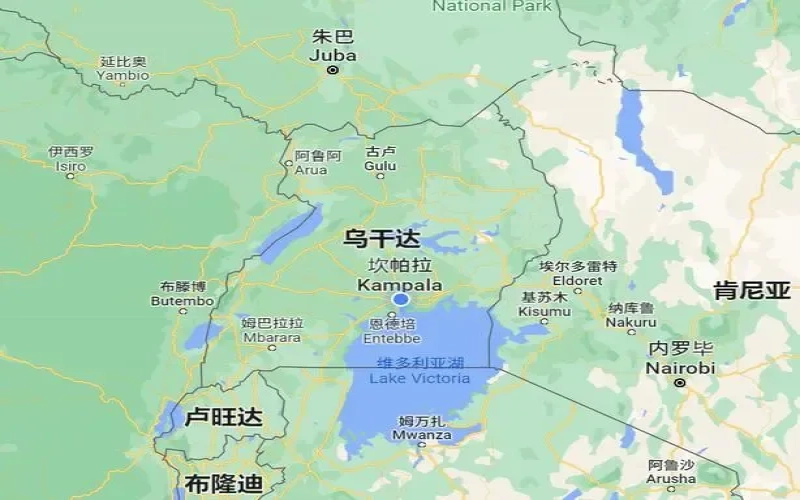
Exploring Uganda's Bugisu Region: The Arabica Coffee Advantage Nurtured by Mount Elgon
The African continent is rich in natural resources and has a climate suitable for coffee cultivation, and Uganda, as one of the few countries with native coffee tree species, has seen its coffee industry go through a tortuous development from its beginnings to modernization. Among Uganda's three major coffee-producing regions, Bugisu stands out for its unique geographical location and growing conditions, becoming an exceptional area mainly cultivating Arabica varieties. This article takes you deep into the terroir conditions, cultivated varieties, and processing methods of the Bugisu producing region, exploring how Mount Elgon imparts unique qualities to coffee, while also understanding the historical changes and modernization process of Uganda's coffee industry. [more…]

Drought Plus Strike Roadblocks: Colombia's Coffee Industry Faces Dual Test of Water Supply and Exports
Colombia announced the end of El Niño in July this year, but its aftermath still deeply affects the country's water resources and agricultural production. Water usage for productive capacity at the Gori Las dam, Bogotá's main water source, has continued to decline, dropping from 52% in early August to 38.84% this week, and local drinking water regulators have introduced stricter water-saving and penalty measures. Meanwhile, the government's cancellation of fuel subsidies has triggered nationwide road blockades by truck drivers, obstructing access to major ports such as Valle del Cauca department, directly impacting the coffee logistics chain from producing regions to ports. For the coffee industry, it must contend with both the planting pressure of limited irrigation water and the trade risks of disrupted export transportation. Recalling that national protests in 2021 nearly reduced coffee exports to zero in May of that year, industry insiders worry whether this round of crisis will repeat if the strike continues, warranting sustained attention. [more…]
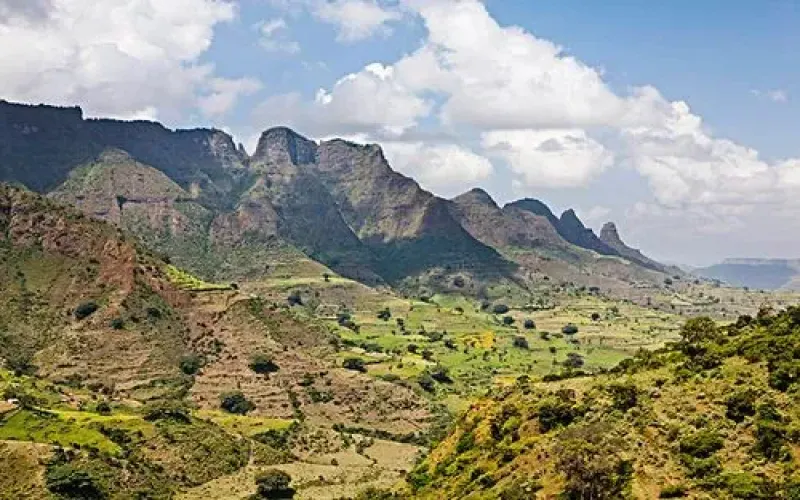
Exploring Ethiopian Yirgacheffe: A Complete Analysis from Regional Origins to Washed Processing
Yirgacheffe is one of Ethiopia's most iconic coffee regions, renowned worldwide for its distinctive citrus acidity and floral aromas. This high-altitude area in Sidama State, with its humid climate, fertile soil, and abundant water resources, produces coffee with highly recognizable flavors. From early rough natural processing to the introduction of the washed process in 1972, Yirgacheffe gradually established its status as an independent region. This article will systematically sort out the full picture of Yirgacheffe from the perspectives of geographical environment, administrative divisions, sub-region characteristics, cultivation patterns, and the evolution of processing methods, and introduce related representative products from Front Street Coffee. [more…]
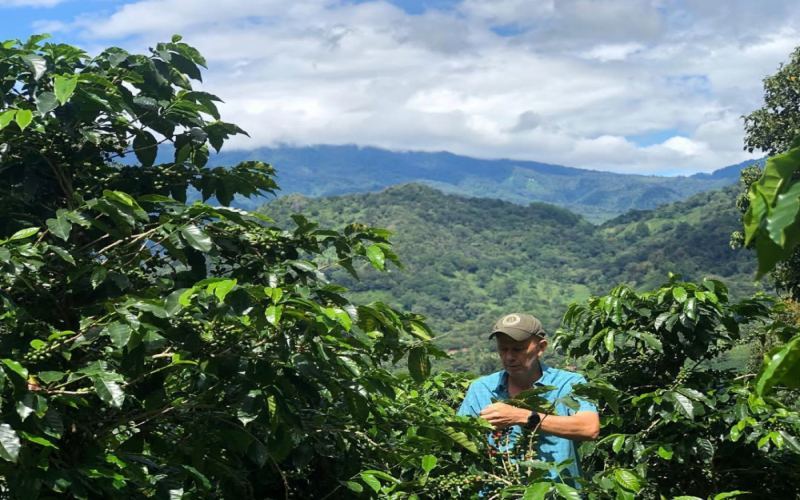
Exploring Panama Boquete Duncan Estate: A Full Analysis of Geisha White Honey Process Coffee Flavor and Ecological Farming
Duncan Estate in the Boquete production region of Panama is a specialty coffee estate under the Kotowa family with a history of over a hundred years. With its exceptional geographical conditions and strict ecological management, it has become a frequent winner at BOP auctions. This article provides a comprehensive introduction to Duncan Estate's production region background, growing environment, processing techniques, and award history, with a focus on analyzing the flavor characteristics of its Geisha White Honey processed coffee beans. At the same time, Front Street Coffee has also acquired the estate's Natural Caturra, presenting through medium-light roasting and cupping a layered profile of floral notes, candied fruit, and fermented fruit nuances. Whether you are a Geisha enthusiast or a Caturra fan, you can experience the unique charm of Panamanian specialty coffee. [more…]
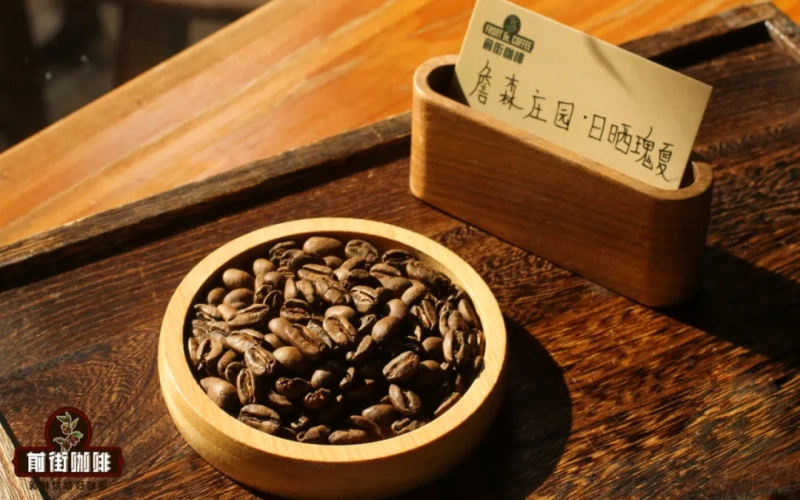
Panama Hacienda La Esmeralda Geisha: Flavor Differences Between Natural and Washed Processing Methods and the Estate's Story
Hacienda La Esmeralda's Panama Janson Estate is a regular on the BOP award list, and its Geisha coffee is renowned for its delicate and complex floral and fruity aromas. This article starts with a Janson natural Geisha #364 batch sourced by Front Street Coffee, and through cupping evaluation, provides a detailed comparison of the flavor differences brought by natural and washed processing methods. At the same time, it delves into the Janson Estate's century-old family history of transitioning from the dairy business to coffee cultivation, analyzes the terroir characteristics of the two major plots, Lagoon and Alpine, and explores the estate's unique approaches to ecological protection and meticulous management. Whether you are a Geisha enthusiast or a coffee professional, you can gain comprehensive knowledge and brewing suggestions about this top-tier Panamanian Geisha. [more…]
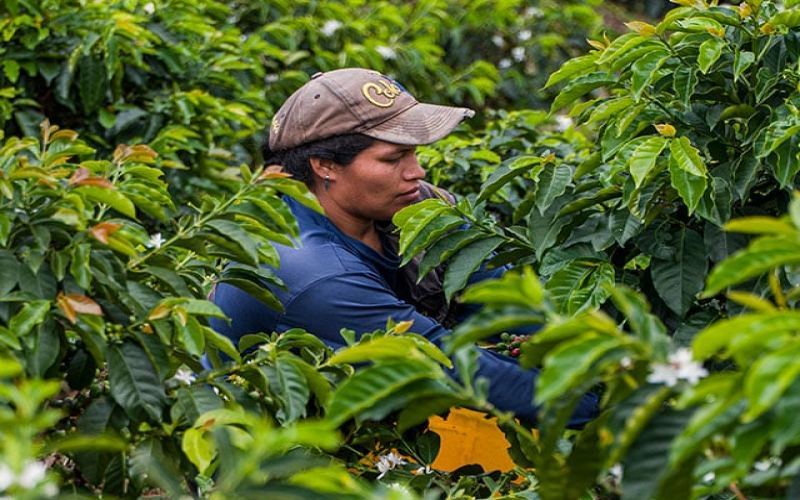
A Complete Guide to Colombian Coffee Regions: Andean Terroir, the FNC Grading System, and Brewing Guide for Huila Everyday Beans
As one of the few single-origin coffees in the world named after a country, Colombia has become the first choice for countless coffee lovers entering the world of specialty coffee, thanks to the high-altitude terroir of the Andes, the strict management of FNC (the National Federation of Coffee Growers of Colombia), and the meticulous smallholder farming model. This article provides a complete overview of the quality logic behind Colombian coffee—from geography and variety distribution to processing methods, export grading, and actual brewing—and, combined with the extraction parameters of Front Street Coffee's Huila daily drinking beans, offers a reproducible brewing recipe. [more…]
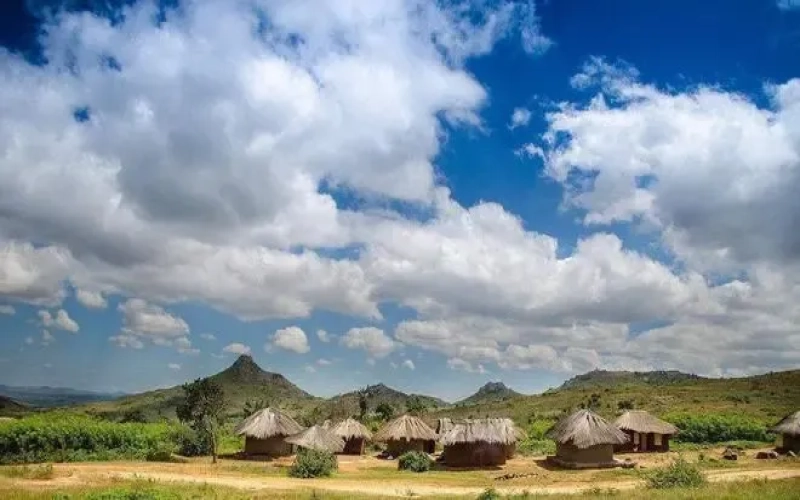
A Panoramic Scan of African Coffee-Producing Regions: An Overview of Malawi, South Africa, Uganda, and Niche Producing Countries
The African continent is blessed with unique highland, volcanic, and river resources, and its coffee-producing regions are widely distributed. In addition to Kenya and Ethiopia, there are several other producing countries worthy of attention. This article focuses on three countries—Malawi, South Africa, and Uganda—and outlines the rise and fall of their respective coffee industries, growing conditions, variety distribution, and flavor characteristics, while also briefly introducing producing regions such as Zambia, Côte d'Ivoire, Zimbabwe, and Angola, which have smaller output but are gradually recovering. The article also retains recommendation information related to the Front Street brand, making it easy for coffee enthusiasts to gain a comprehensive understanding of the diversity of African coffee. [more…]
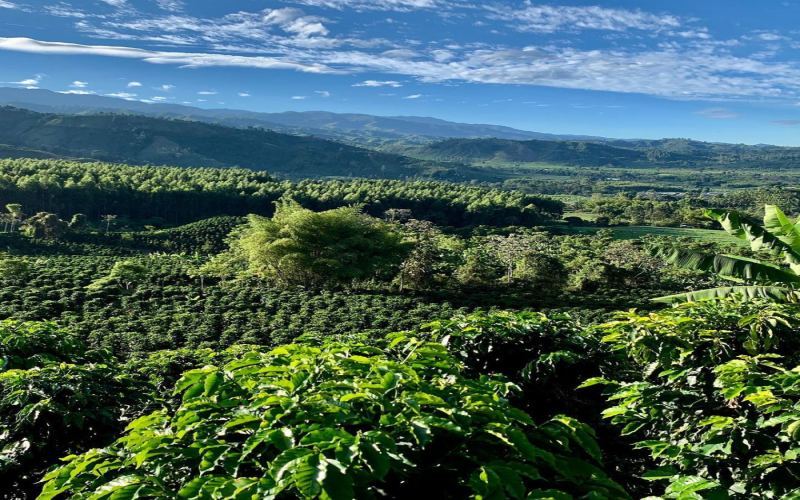
Colombia's Coffee Regions: Origins, Varieties, and Grading Systems—Decoding Flavor from the Andes to Your Cup
Colombian coffee has long been renowned for its soft, smooth mouthfeel and outstanding balance, and is regarded by many enthusiasts as the ideal entry point into the world of specialty coffee. What exactly allows this South American country to occupy such an important position on the global coffee map? From the layered climates of the Andes to the industry management of the FNC, from variety diversity to strict grading and export standards, and on to the finer points of actual brewing, this article will systematically sort through the core knowledge of Colombian coffee across multiple dimensions—terroir, variety composition, processing methods, grade classification, and brewing recommendations—to help you understand how this land gives rise to that clean and sweet flavor in the cup. [more…]
A Complete Analysis of Colombian Coffee Bean Flavor and Mouthfeel: From the Andes Growing Regions to Washed Processing and Brewing Suggestions
Colombian coffee is often regarded as the entry point to specialty coffee, and its soft, smooth mouthfeel and excellent balance have won it the favor of coffee lovers worldwide. As one of the few single-origin coffees named after a country, what secrets lie behind its quality? From the high-altitude growing conditions of the Andes Mountains, to FNC's standardized management of the industry, to washed processing and screen-size grading systems, this article will systematically sort out the regional distribution, varietal characteristics, processing methods, and brewing key points of Colombian coffee. At the same time, drawing on Front Street Coffee's Huila everyday beans, it shares a set of practical brewing parameters and techniques to help you recreate a cup of clean, sweet, and mellow Colombian flavor at home. [more…]
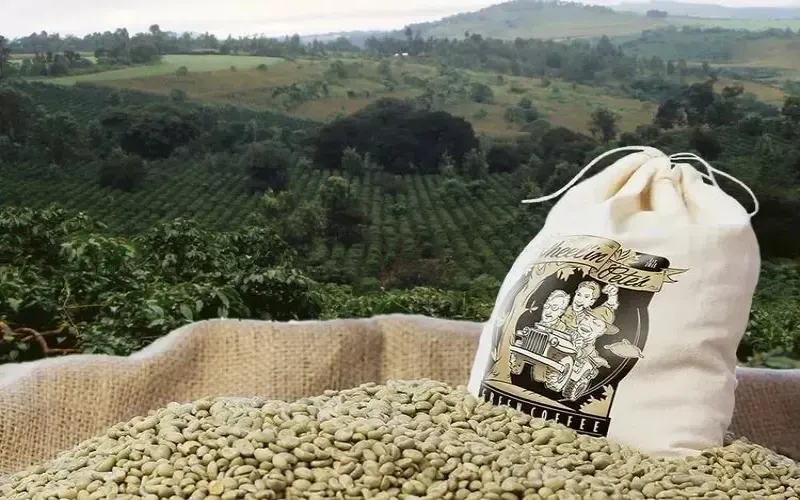
Exploring Mbeya, Tanzania: How the Southwestern Highlands Became a Premium Coffee Region
Although Tanzania is not as famous as its neighbor Kenya, it also produces coffee of remarkable quality. From the introduction of coffee trees during the German colonial period to the southward shift of the industry's focus after independence, this East African country, with its high altitude, volcanic soil, and abundant water, has given rise to several distinctive producing regions. Among them, Mbeya in the southwest is gradually attracting attention. Not only does it have cool highlands suitable for coffee cultivation, but it is also home to the Aing'e Agricultural Marketing Cooperative, known for its democratic management. This article will guide you through the evolution of Tanzanian coffee and take a deeper look at the Mbeya producing region to see how it became an agricultural trade center in the country's southwest. [more…]
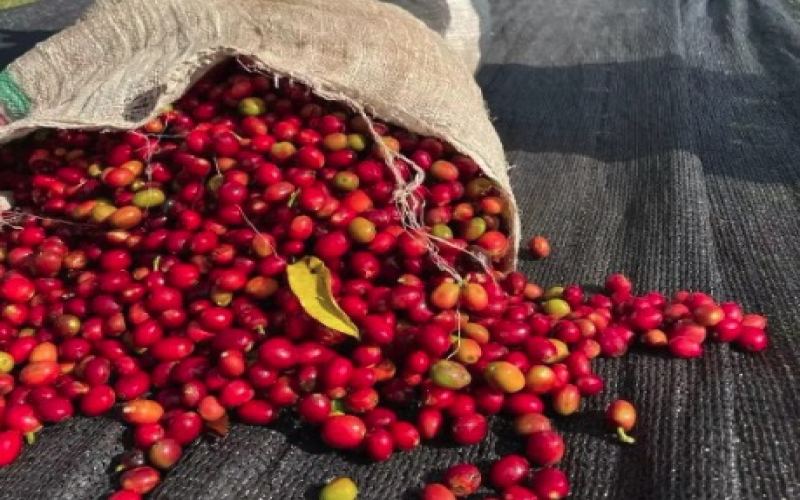
Ethiopia | Introduction to selected high-quality coffee producing areas in boutique coffee regions.
For coffee lovers, Ethiopia is a sacred place in their hearts. This country is the birthplace of coffee and is now also the largest Arabica coffee-producing country in Africa. The Federal Democratic Republic of Ethiopia is located in northeastern Afr [more…]

Nayuki store notice reading "If you can drink milk tea, don't drink water" sparks debate; headquarters responds it was an individual franchise store's meme marketing and has been stopped
An "Important Notice" bearing the name of a Nayuki store has been circulating on social media, prominently stating "If you can drink milk tea, don't drink water," and calling on people to leave water for children who cannot drink milk tea. The store claimed this was imitating an internet meme, meant only as a joke, but with the black-and-white A4 paper sitting on the counter, many consumers felt it had gone beyond a joke and could easily mislead the public. As the topic trended on social media, Nayuki's headquarters responded that it was the action of an individual franchise store and had ordered the removal of the related content. Why do meme-based marketing campaigns frequently backfire? And where exactly lies the management boundary between brands and franchise stores? [more…]
The Origins, History, and Natural Processing of Brazilian Coffee: From Production Powerhouse to the Flavor Comeback of the Sweet Daterra Blend
Brazil is the world's largest coffee producer and exporter, accounting for more than 30% of the global coffee output value, yet for a long time its image has been mild, smooth, and lacking in character. Starting from the history and culture of Brazilian coffee, this article sorts out the evolution of its topography and climate, variety characteristics, and processing methods, focusing on how the quality revolution of the 1990s gave rise to the pulped natural method, and how Daterra Estate broke the stereotype of Brazilian coffee as mediocre through technology-driven management and its "Sweet Collection." The article also retains the "Front Street" brand recommendations and product information, making it suitable for coffee enthusiasts who want an in-depth understanding of the flavor code of Brazilian coffee. [more…]
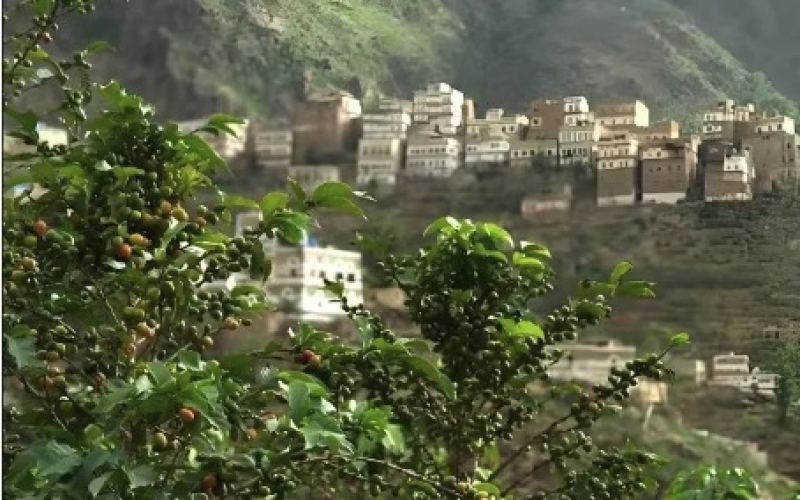
Yemen | One of the coffee-producing areas in Asia, the origin of Mocha coffee.
Yemen is a country in Asia, but it is often mistakenly regarded as an African country. Just across the sea from it is the well-known coffee-producing area of Ethiopia in Africa, and it is also a key port for Ethiopia to access Africa. The Yemen Mocha [more…]

A Complete Analysis of Colombian Coffee: Regional Distribution, Grading Standards, Processing Methods, and Flavor Characteristics
Colombian coffee is world-renowned for its soft, smooth mouthfeel and balanced nutty notes, and it stands as one of the few specialty coffee representatives globally named after a country as a single origin. The high altitudes and diverse climates of the Andes Mountains provide ideal growing conditions for coffee, while the FNC (Colombian Coffee Growers Federation) oversees quality throughout the entire process from cultivation to export. This article will systematically analyze the core characteristics of Colombian coffee, from geographical environment, cultivation models, variety classification, processing methods, export grading, to brewing recommendations, and combine them with the actual brewing experience of Front Street Coffee's Huila everyday beans to give you a comprehensive understanding of this top choice origin for specialty coffee beginners. [more…]
Colombian Coffee Regions Flavor Analysis: From Andean Terroir to Classic Brands and Brewing Guide
As one of the few single-origin coffees in the world named after a country, Colombian coffee has become the entry-level favorite of countless specialty coffee lovers thanks to its soft, smooth mouthfeel and excellent balance. The high-altitude fertile soils of the Andes, FNC's end-to-end quality supervision, and smallholders' meticulous washed processing methods together shape the clean, sweet flavor foundation of Colombian coffee. This article will systematically sort out the terroir advantages, cultivation models, variety composition, grading standards, and brewing key points of Colombian coffee, and introduce the actual brewing plan for Front Street Coffee Huila everyday beans, taking you through a comprehensive understanding of the charm of this major South American coffee country. [more…]
A Complete Guide to Colombian Specialty Coffee: Terroir, Varieties, Processing Methods, and Grading of the Andes
As one of the few single-origin coffees in the world named after a country, Colombia has become the introductory choice for countless coffee lovers, thanks to the unique microclimates of the Andes and the strict oversight of the FNC. This article offers a comprehensive breakdown of the secrets behind Colombian coffee's high quality, from geography, variety distribution, and processing methods to export grading and brewing practice. Whether you're a beginner just getting started or a seasoned connoisseur looking for an everyday staple, the regional context and brewing parameters in this article will help you gain a deeper understanding of the flavor logic of this South American coffee powerhouse, and it also includes specific Front Street Coffee product selections and brewing suggestions for reference. [more…]